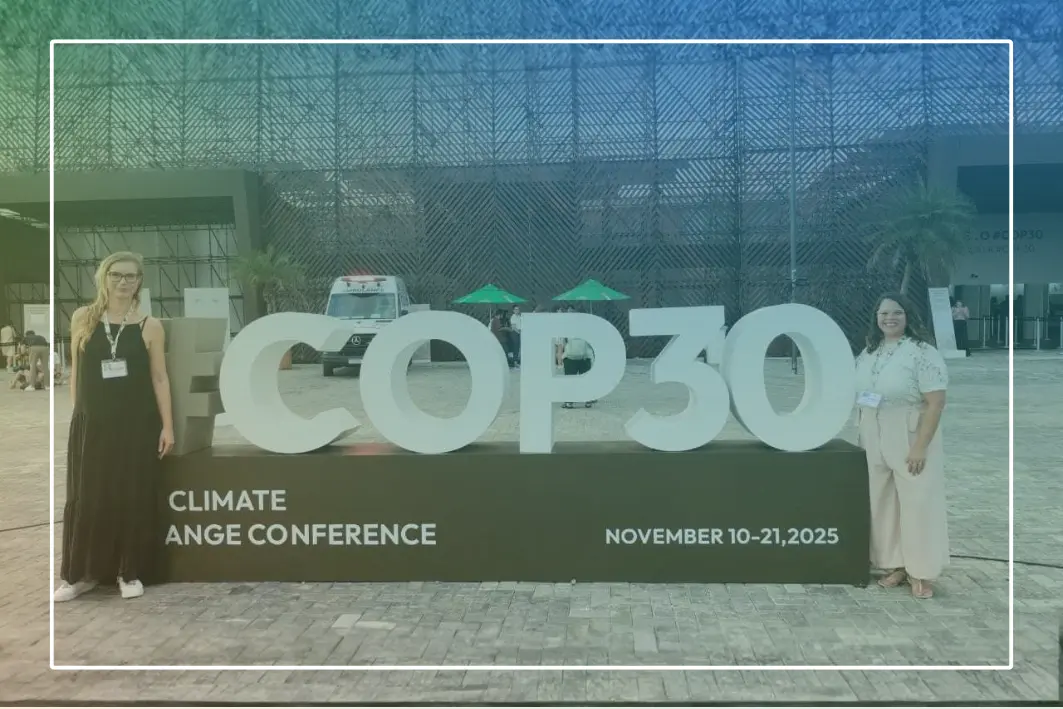
COP30 (10–21 November 2025) in Belém, Brazil, was an important moment for Timbeter to be present and engaged in the broader forest conversation happening around the summit. With the Amazon as the backdrop, forests were naturally high on the agenda—especially across side events, industry meetings, and partner discussions. Our CEO Anna-Greta Tsahkna and Timbeter Brazil’s Selma Vasconcelos spent two weeks on site meeting with governments, NGOs, and supply-chain actors, and one takeaway came through clearly in those conversations: expectations for sustainable forest management are increasingly tied to measurable, verifiable data—not just commitments on paper.
What Timbeter did at COP30
One of the key meetings for our team was with representatives from the State of Amazonas. The focus: expanding digital solutions that support forest transparency, verified sustainability outcomes, and responsible timber trade. For Amazonas, this is about protecting forest value while keeping legal forestry viable. For Timbeter, it’s aligned with what we build every day—tools that let operators show what’s happening in the forest and yard, not just describe it.


Anna-Greta summed it up in Belém: partnerships like these speed up environmental initiatives by putting practical tech into real forestry workflows.
COP30 outcomes that matter to timber people
COP30 was widely framed as a “forest COP,” and still drew criticism for falling short on enforcement. But for forestry operators, the direction of travel was unmistakable: markets and finance are shifting from promises to verified performance.
Here are the outcomes most relevant to timber supply chains:
1) New forest finance will reward verified results
Brazil launched the Tropical Forests Forever Facility (TFFF)—a long-term fund aiming to mobilize up to US$125 billion and pay tropical forest countries based on verified conservation and sustainable management outcomes.
Why it matters: funding is tying itself to audit-ready evidence. Numbers win.
2) Responsible timber construction got official backing
COP30’s Action Agenda embedded the Principles for Responsible Timber Construction within the Building for Forests Acceleration Plan, pushing low-carbon wood buildings while requiring legal, sustainable timber.
Why it matters: more demand for wood, but only if origin and scaling stand up to scrutiny.
3) Congo Basin finance shows transparency expectations are global
The Belém Call for the Forests of the Congo Basin committed $2.5B+ over five years for protection and sustainable forest value chains.
Why it matters: proof-based forestry isn’t an Amazon-only story.
4) Indigenous rights stayed central
COP30 highlighted that secure land rights and benefit-sharing with Indigenous communities remain essential for forests to stay standing.
Why it matters: buyers increasingly check social legitimacy alongside legality.
5) The missing piece: no global deforestation roadmap
Despite repeating the 2030 zero-deforestation goal, COP30 didn’t agree on a concrete enforcement plan.
What this means on the ground
After Belém, forestry teams should expect a higher “proof bar”:
- Accurate measurement at every handover (roadside → terminal → mill).
- Traceable assortments linked to origin.
- Transparent, time-stamped records for audits and deforestation-free market access.
- Simple reporting built from real field data, not spreadsheets rebuilt later.
This is exactly where Timbeter contributes. Our AI photo-measurement gives crews and buyers consistent log-pile and sawmill yard volumes, plus a digital trail that supports trust, reduces disputes, and cuts wasteful transport—an operational win and a sustainability win.
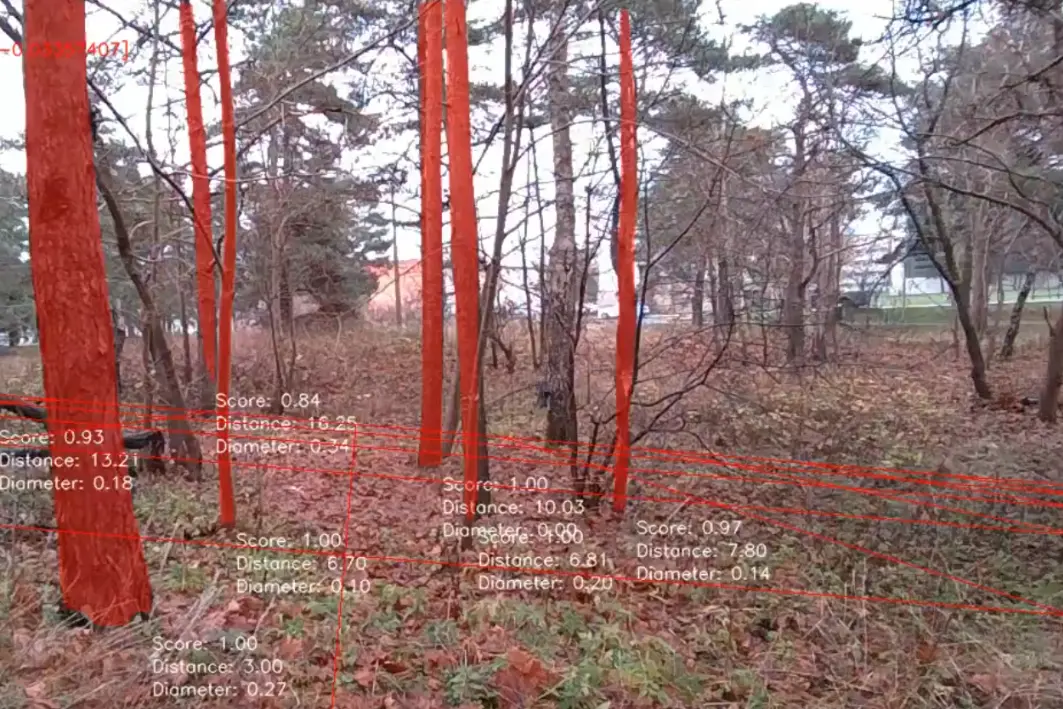
We’re also developing a digital forest inventory prototype to estimate DBH, basal area, trees per hectare, and growing stock automatically (disclaimer: currently in pilot stage). COP30 conversations confirmed how urgently the sector needs repeatable, data-driven inventory methods.
Next step
If COP30 made one thing clear, it’s this: forestry’s future belongs to operators who can prove sustainability with reliable numbers.
Want to be part of that shift? Talk to our team about Timbeter’s digital forestry solution.